Denver, CO General Contractor
Denver's older neighborhoods are full of brick bungalows, Denver Squares and character homes. Radiant Homes serves north, central and west Denver with repairs, remodels, additions and new construction, as part of a range that reaches Golden and Fort Collins.
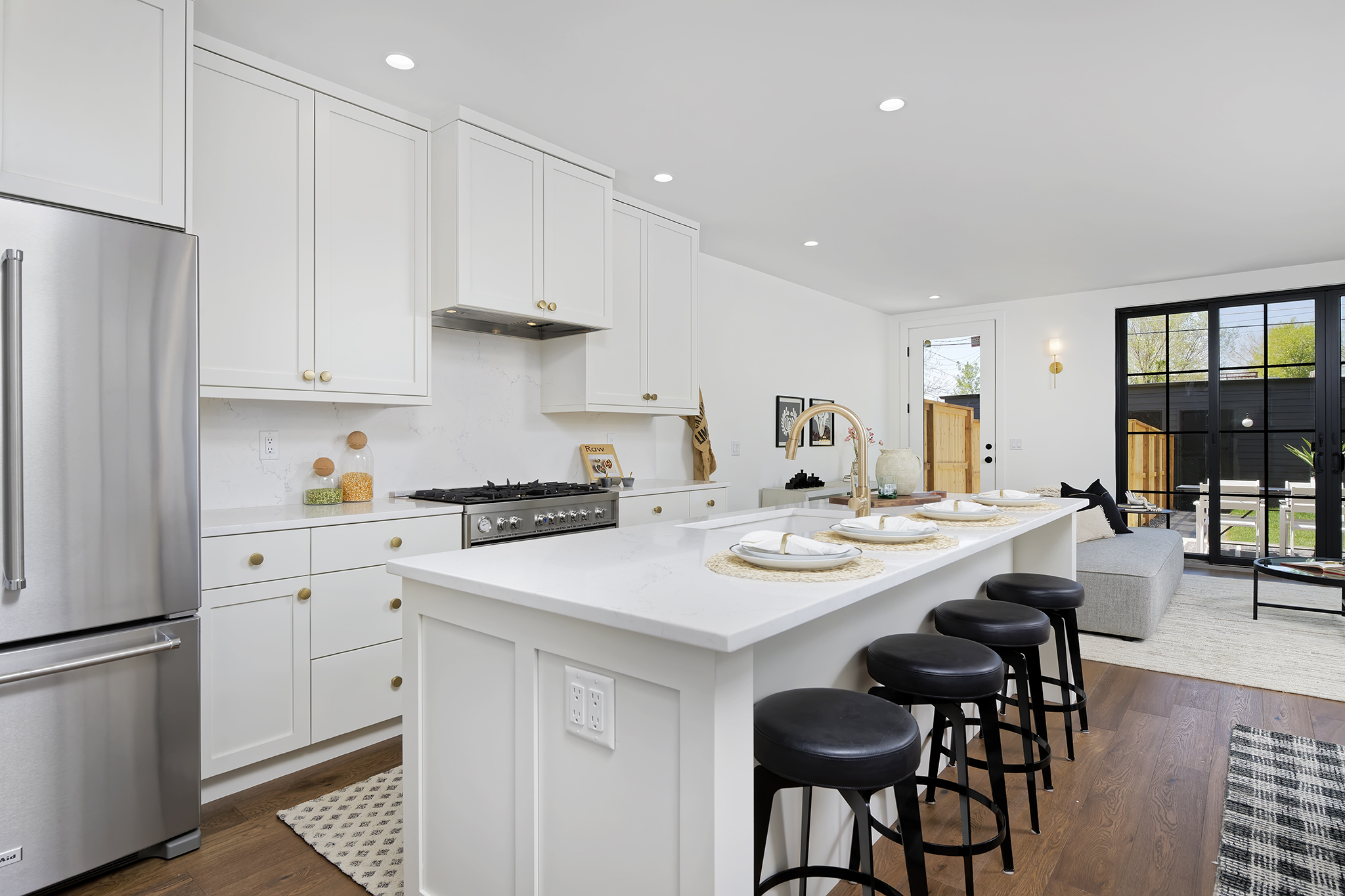
Houses with a past
North, central and west Denver hold some of the region's oldest housing: brick bungalows, Denver Squares and early-century cottages, many on narrow lots with alleys behind them. They have a character newer suburbs lack, and upkeep that newer suburbs have not needed yet.
Good work on these houses respects the original and fixes what has worn out.
What usually comes up
Older systems
Wiring, plumbing and heating that predate current standards, often in a house that has been partly updated along the way. See home repair and maintenance.
Lead paint
Homes built before 1978 may contain lead-based paint, which changes how sanding and demolition should be handled. It is worth asking about before work starts.
Basements and foundations
Older basements are often low, damp or unfinished, and the work starts with moisture and ceiling height. See interior remodeling.
Check the rules before the drawings.
Denver is a city and county with its own building department, zoning and review processes. The steps below are worth settling first.
- Whether the property is in a historic or landmark district
- Zoning for accessory dwelling units
- Setbacks for additions
- Alley and garage access
- Permits for structural, electrical and plumbing changes
- Design review where it applies
Alley garages and accessory units
Many older Denver lots have a detached garage off the alley, and some owners want to rebuild it, convert it or add living space. Whether an accessory dwelling unit is allowed depends on zoning for your lot, and that should be confirmed before any design money is spent.
See home additions for work attached to the house, and custom home building for new construction.
Starting in Denver
- One
Address and era
The street and the decade tell us most of what to expect.
- Two
Walk and ask
We look at the house, the alley and the basement, and ask what has been done before.
- Three
Scope on paper
A written plan, including anything the address may need to have reviewed.
Questions people ask first
Does my Denver house need historic review?
It might. Some neighborhoods and individual buildings are designated, and designation can bring design review for exterior changes. Whether yours is covered depends on its address.
Give us the address and we will look into it before plans are final.
I own a 1920s bungalow. Where do I start?
Start with the roof, the water path and the basement, because those protect everything else. Then look at the electrical panel, the plumbing and the windows.
Kitchens and baths usually come after the shell is sound. A short walkthrough can rank these for your house.
Is lead paint a concern for a remodel?
If the house was built before 1978, it may be. Federal rules cover how lead-based paint is handled in renovation work, and testing is the way to know for sure.
Ask before any sanding, scraping or demolition.
Can I add a unit over or behind my garage?
Possibly, depending on the zoning for your lot, its size and the rules that apply to accessory units. That has to be confirmed before designing anything.
We start with your address and the lot, and the home additions page covers what is typically involved.
Which parts of Denver do you serve?
We focus on north, central and west Denver, and our work reaches the surrounding suburbs along a range from Golden to Fort Collins.
If you are unsure whether your address is covered, send it and we will tell you.
Tell us about your Denver house.
Give us the address and the decade it was built, and we will take it from there.
Denver is where our range ends, with Fort Collins at the other end. Also serving Fort Collins, Windsor, Loveland, Johnstown, Longmont, Boulder, Broomfield, Westminster, Arvada, Golden and Lakewood.